A financial operations platform centralising income, expenses, invoices, documents and custom reporting across companies, with automated integrations and role-based access.
Mamut
01 / Overview
The finances of a group, kept in one place
Mamut Group operates several companies, and money moves through all of them: invoices arrive, expenses are paid, income lands in different accounts and the overall picture has to be assembled from every one of those streams.
The platform built at BeCode brings that work into one system. Income and expenses across the group's companies are recorded, divided and categorised in a single place, with each person seeing exactly the part of the finances their role allows.
02 / Challenge
A group's finances do not fit in a spreadsheet
When several companies keep their own invoices, statements and records, every question about the whole group turns into collection work: gathering exports, aligning categories by hand and hoping the copies agree with each other.
Access was the second problem. A spreadsheet shared by e-mail cannot express that one person may see everything, another only their own company, and a third may record payments but not approve them.
03 / Approach
Record once, divide precisely, close the month
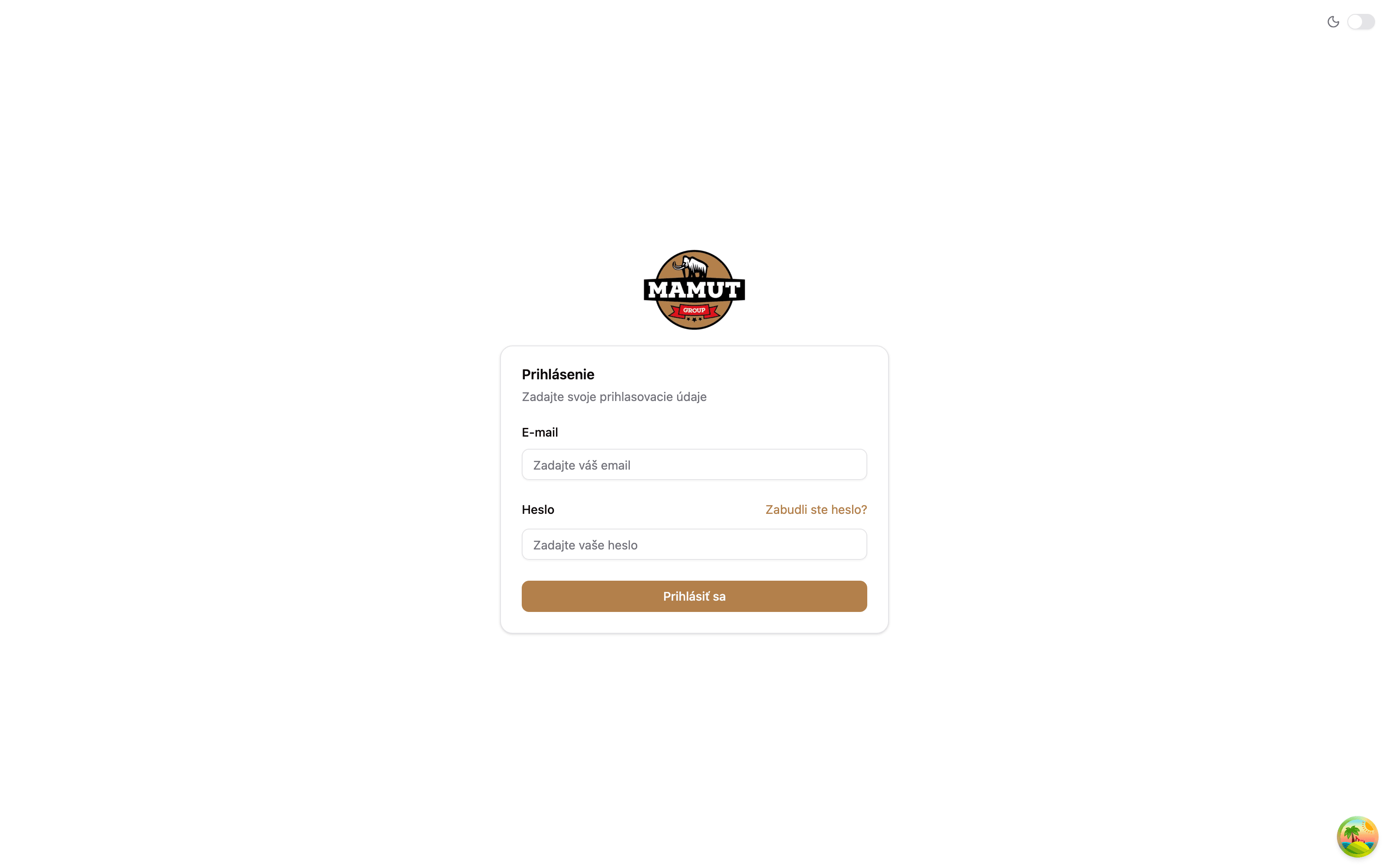
Incoming invoices arrive in the system automatically through an integration with the group's invoicing service, rather than being retyped from e-mail. Every payment (income or expense) can be divided and categorised, so a single sum is split across the parts of the business it belongs to, with VAT handled per allocation. Roles and per-user permissions decide who sees which company and who may record, edit or approve. When a month is finished it is closed, locking its records against silent changes, and dashboards with saved filters and custom table views turn the recorded data into the reporting each person actually needs. The system is internal to the group's operation, so this case study stays general: no client data, and the only interface shown is the public sign-in screen.
04 / Results
One system where there were many records
The platform has been in operation since 2026. Work that used to mean collecting exports from separate companies now happens in one system, with consistent categories, controlled access and months that close.
Since 2026
In daily operation
The group's income and expenses are recorded and divided in the platform as part of everyday work.
01
Place for the group's finances
Multiple companies share one system, one set of categories and one way of dividing every payment.
Monthly
Closures that lock the books
A finished month is closed in the system, so its records stay exactly as they were approved.